

How to Know If Your Digital Marketing Is Actually Working
July 13, 2026 · By Miro Giovannini
You Are Probably Measuring the Wrong Things
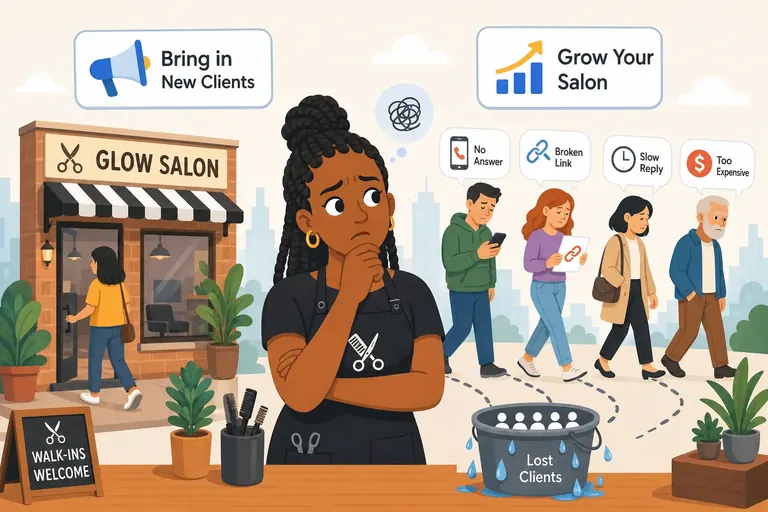
Most small business owners I talk to are spending money on digital marketing. They have ads running, maybe some social media posts going out, and a website that looks decent enough. But when I ask them, "Is it working?" — they hesitate. They don't actually know.
That is a problem. Not because marketing always works on day one, but because if you cannot measure it, you cannot improve it. And if you cannot improve it, you are just burning money.
The first thing I look at when a new client comes to me is their data. Is anyone showing them reports? Is there any historical data to review? Most of the time, the answer is no. Nobody is tracking sales generated from digital channels. There is no traceability between the ad platforms and actual revenue. And the KPIs they are looking at — if they are looking at any — are often the wrong ones.
Followers and Likes Are Not Results
Here is a hard truth: followers and likes do not pay your bills. I see business owners obsessing over how many people liked their latest Instagram post or how fast their follower count is growing. Both of those metrics are superficial. By themselves, they tell you nothing about the impact on your business.
The real indicators you need to care about are ROI and ROAS — return on investment and return on ad spend. Those are the numbers that tell you whether your marketing dollars are an investment or just an expense.
Now, ROI and ROAS require proper tracking to calculate. If you are not there yet, start with the metrics in between: your cost per lead (CPL), your cost per acquisition (CPA), and your conversion rate. These tell you how efficiently your marketing is turning attention into action. They are not the final answer, but they point you in the right direction.
The Story That Changed Everything
I worked with a bus travel company in South America that had been measuring their digital marketing by clicks — for years. Clicks on ads, clicks on posts. That was it. They had no idea whether those clicks were turning into ticket sales. They just knew people were clicking, so they assumed things were fine.
After some internal adjustments, we connected their sales channel directly to their online campaigns. The results were surprising. Their campaigns were generating six times their value in direct sales. Six times. They had been sitting on a goldmine and did not even know it because they were measuring the wrong thing.
That is the difference between guessing and knowing. And it happens more often than you think.
The Biggest Mistake: Expecting Magic
The single biggest mistake I see small business owners make is expecting immediate results. They think digital marketing is magic — turn on an ad today, get sales tomorrow. Or they publish one blog article and wonder why their phone is not ringing.
That is not how this works. Digital marketing is a continuous process. Consistency matters far more than isolated actions spread out over months. If you run a campaign for two weeks, pause it, then try again three months later, you are starting from scratch every time.
Here is what I tell clients with limited budgets: it is better to run a small, always-on campaign than to dump your entire budget into one or two big pushes per year. A steady presence builds momentum. Sporadic efforts just reset the clock.
This is one of the most common digital marketing mistakes I see across the board, and it is completely fixable once you shift your mindset.
What You Should Actually Track
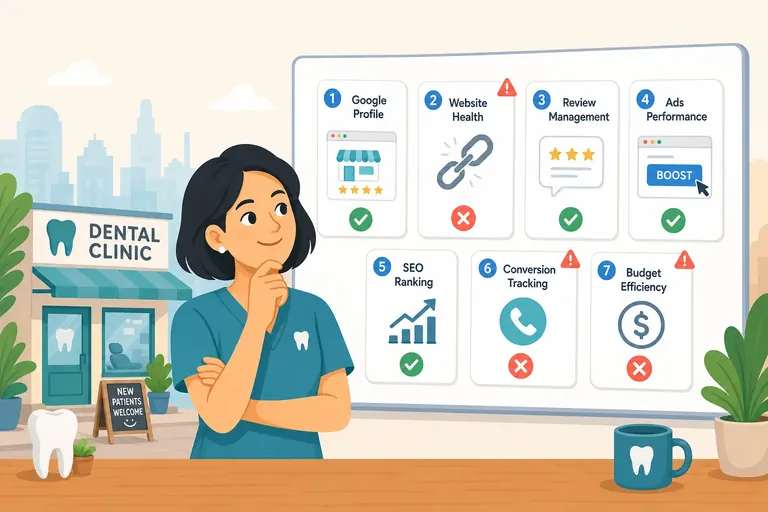
The right tracking setup depends on your business objective. If you sell online, you track purchases. If you are a service business, you track appointment bookings or form submissions. If you run a physical location, you track store visits or phone calls. Every meaningful action can be measured — you just need to set it up.
Here is the simple framework I use with every client:
Compare your marketing metrics to your business metrics. Your ad platform will show you impressions, clicks, and cost. Your business will show you leads, sales, and revenue. The magic happens when you connect the two.
Do a pre-post analysis. Measure your baseline before launching a campaign. Then measure the same numbers after. If you cannot see a difference, either the campaign needs work or the tracking is broken.
Integrate your tools. Your ad platform, your website analytics, and your CRM or sales system should talk to each other. Without integrations, you are looking at fragments of the picture instead of the whole thing.
If you are running Google Ads or Meta Ads, both platforms have built-in conversion tracking that connects ad spend to real actions on your website. Setting it up takes a few hours, but it saves you months of guessing.
Stop Guessing, Start Knowing
You do not need a massive budget or a team of analysts to know if your marketing is working. You need the right metrics, proper tracking, and a commitment to consistency over quick fixes.
Start by asking yourself three questions: What am I measuring? Is it connected to actual revenue? And am I giving it enough time to work?
If you cannot answer those confidently, that is your starting point. Fix the measurement first, then optimize from there. I have seen businesses transform their results just by switching from vanity metrics to real ones — no extra budget required.
If you want help setting up tracking that actually connects your marketing spend to your bottom line, let's talk about it. At mirogiovannini.com, I work with small businesses to cut through the noise and focus on what is actually driving results.
The best marketing decision you can make is not spending more money. It is knowing exactly where your current money is going — and whether it is coming back.

Ready to bring in more customers?
Get a free 30-minute marketing review. We'll look at what you have today and identify the one or two changes that could make the biggest difference.